National Candy Day
Today, Americans have an opportunity to exercise their right to vote on Election Day. We hope you’re hitting the polls, but if you need a little distraction after you’ve cast your ballot, we’ve got you covered with some sweet stories from the National Archives’ holdings to celebrate National Candy Day tomorrow.
Candy has sweetened moments of national celebration, fueled troops on distant battlefields, and shaped the fabric of American childhood for centuries. Through confectionery innovations and sugar shortages, candy has quietly mirrored America’s economic and cultural evolution to bring us the familiar favorites we know and love.
Sweetening the Front Lines
Candy in World War I
In World War I, candy was transformed from an exclusive luxury item into essential tactical rations for American soldiers in Europe. Taking the idea from European troops who received chocolate rations, the United States soon caught on, distributing half a pound of chocolate and candy every ten days to each soldier to increase morale and boost energy. The rations were mostly made up of chocolate, but also included candied fruits, chocolate-covered nuts, marshmallows, and licorice. When the soldiers returned home after World War I with insatiable sweet tooths, the candy industry exploded to meet demand, leading to the invention of many of our favorite candy bars that we still have today.
On November 6, 1918, General John Pershing sent a telegram to Hamp Williams, the Federal Food Administrator for Arkansas, thanking the people of Arkansas for giving up their allotment of sugar to send Christmas candy to the troops in France. The United States faced a severe sugar shortage during World War I, driven by disruptions in Atlantic shipping and overconsumption before the war started. By mid-1918, sugar was being carefully rationed to civilians in the States. This kind of record shows just how much the families back home were contributing in order to support the troops overseas by donating their own sugar rations.
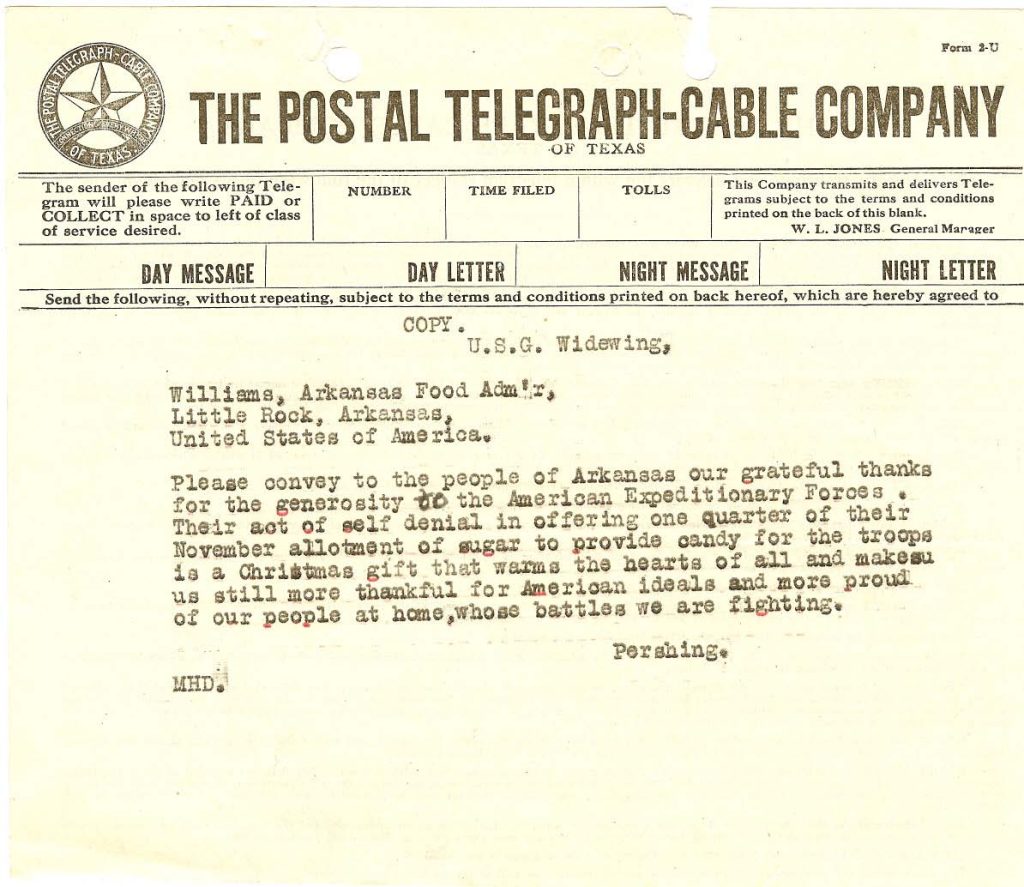
Christmas Candy to Troops Telegram NAID: 5928204
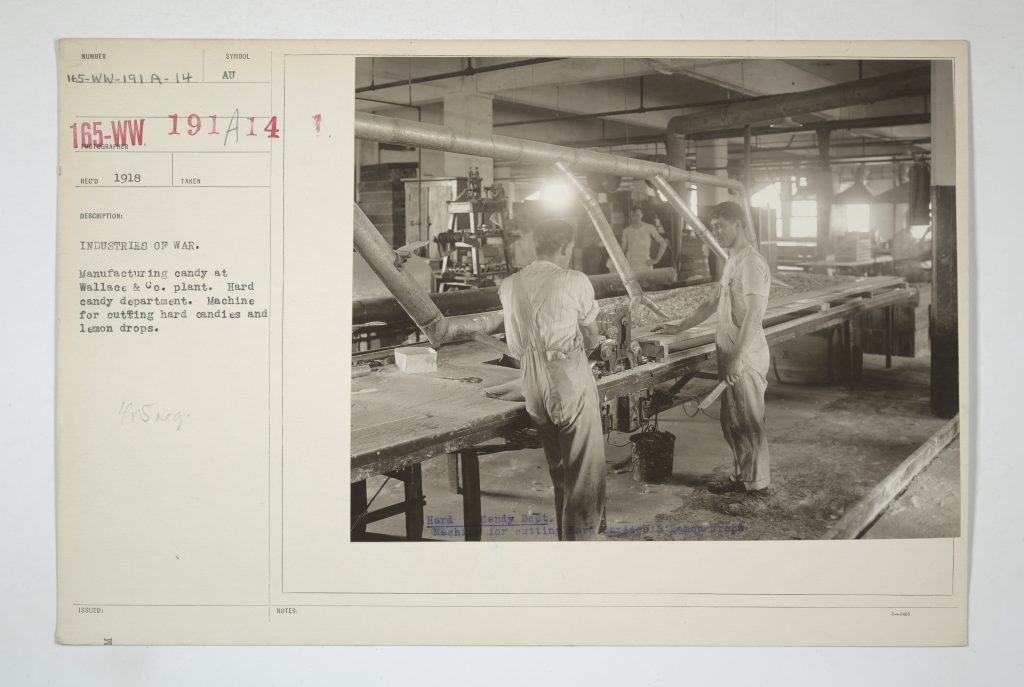
During World War I, the Wallace & Co. candy plant in New York City shifted a portion of its industrial capacity and workforce to military supply efforts, documented in the records at the National Archives.
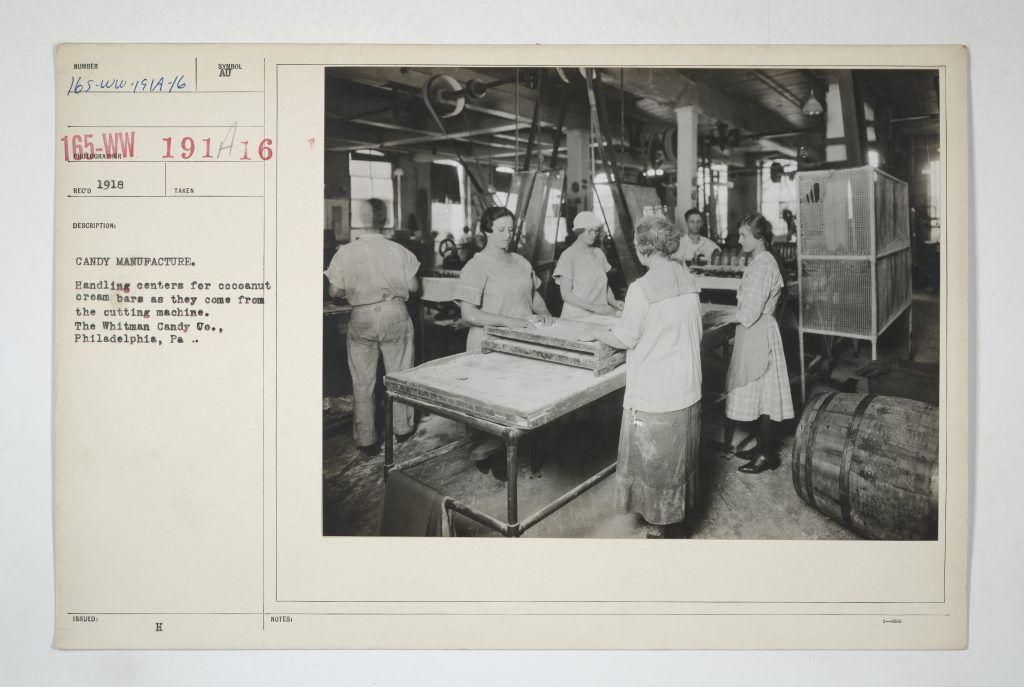
The Whitman Candy Co. in Philadelphia also supported the war effort with candy production once it became an official combat ration, providing soldiers with portable calories, quick energy, and a boost to morale.
The Berlin Candy Bomber
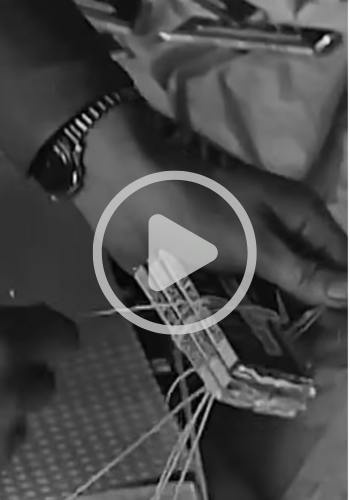
Following World War II, Berlin was almost completely cut off from the rest of the world, surrounded by the Soviet Union territory of East Germany with all land and sea routes closed. To get supplies to the devastated people of Berlin, the United States and United Kingdom started the Berlin Airlift, flying millions of tons of cargo into the city. After flying into Tempelhof Airport, United States Colonel Gail Halvorsen, a pilot flying in the Airlift, spoke with a group of children watching the planes land. He was surprised to learn some of them had never had candy at all and promised to do more for them. He started dropping packages of candy tied to handkerchiefs while he flew over Berlin, earning him the nickname, “Candy Bomber.”


Retired Col. Gail Halvorsen displays a parachute similar to the ones he used during the Berlin Airlift NAID: 6461857
Before long, news of the Candy Bomber reached the United States, and candymakers and citizens sprang into action, donating candy and chocolate, and sewing handkerchiefs for parachutes. Halverson’s fellow servicemembers donated their own candy rations, and every handkerchief was confiscated to make more parachutes for the packages. By the end of the Berlin Airlift in 1949, American pilots had dropped hundreds of thousands of parachutes carrying 23 tons of candy to the children of Berlin, reminding them that the United States would not abandon them.
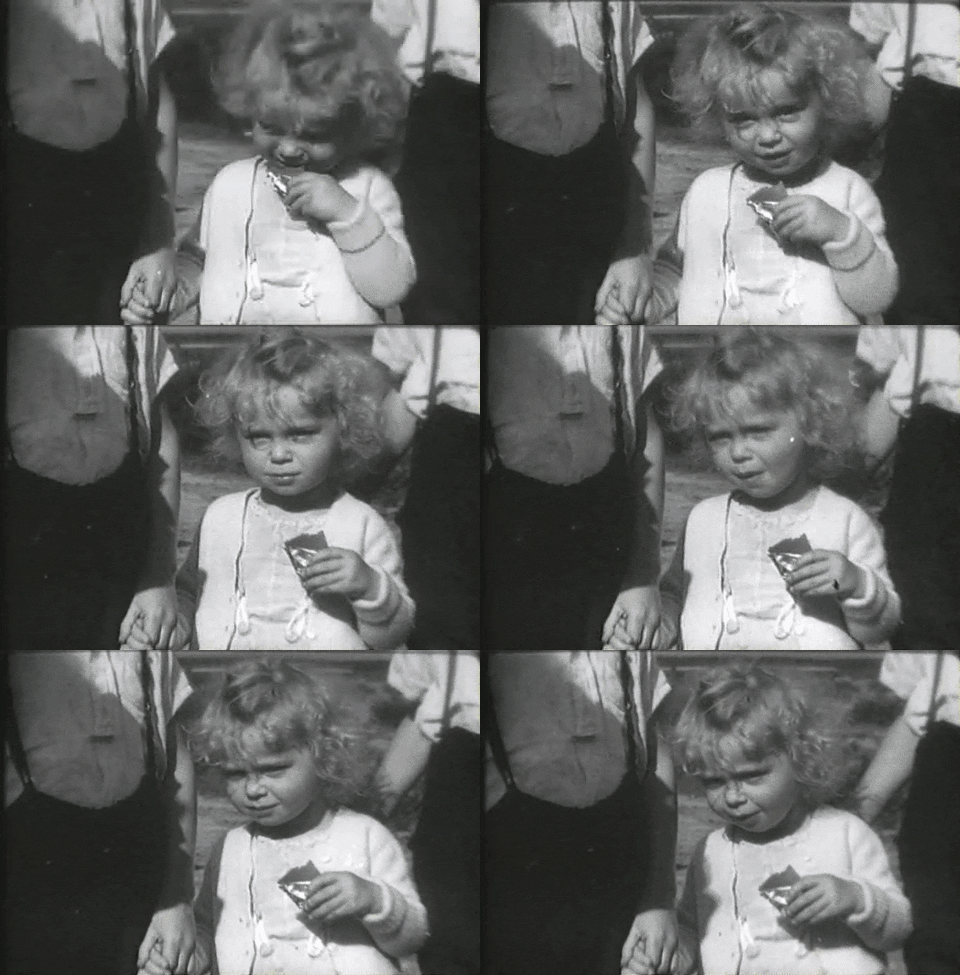
When Halvorsen returned home, he was commended for his kindness and empathy towards the people of Berlin, reminding us all that small acts like his can inspire an entire nation to bring a little bit of light into a city’s darkest hours.
M&Ms: Rations to Rockets
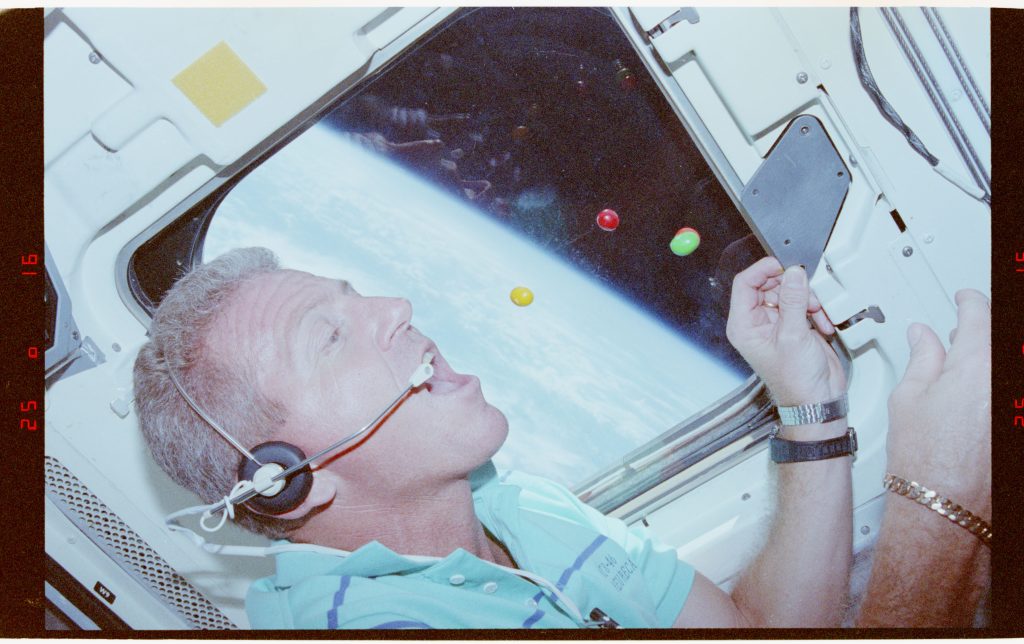
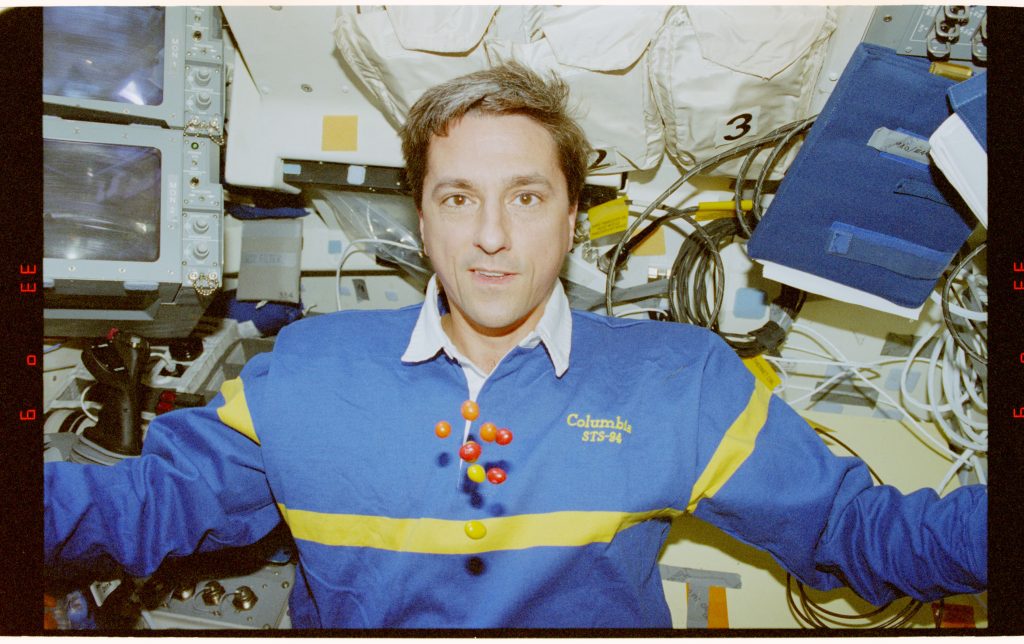
First created during World War II, the small hard-shell candy we know (and love) as M&Ms were exclusively sold to the military and proved to be the perfect candy for soldiers. With their durable exterior, M&Ms quickly became a favorite among the troops in Europe. Their ability to withstand harsh conditions even made them a favorite among NASA, who packed them for its astronauts on out-of-this-world missions. Beyond a quick snack, astronauts loved using them for zero-gravity games, and the bite-sized shape avoided any crumbs that could damage spacecraft equipment.
Patently Sweet
The National Archives holds more than 4.5 million patent records, from every corner of American life, including patents for candy and the machinery that helps us make it.
In 1952, one of the most famous candy companies in the world, PEZ, was awarded its first United States patent for a candy dispenser. Originally, PEZ were round and held in a small tin, but the PEZ dispenser introduced the twelve rectangular tablets we are familiar with today. By the end of the 1950s, the three-dimensional head was introduced, with the Halloween Witch head becoming the first traditional character featured on top of the dispenser. Within a few decades, PEZ featured hundreds of pop culture icons on top of their dispensers like Batman, Tweety Bird, and Mickey Mouse, and collecting them became a popular hobby.
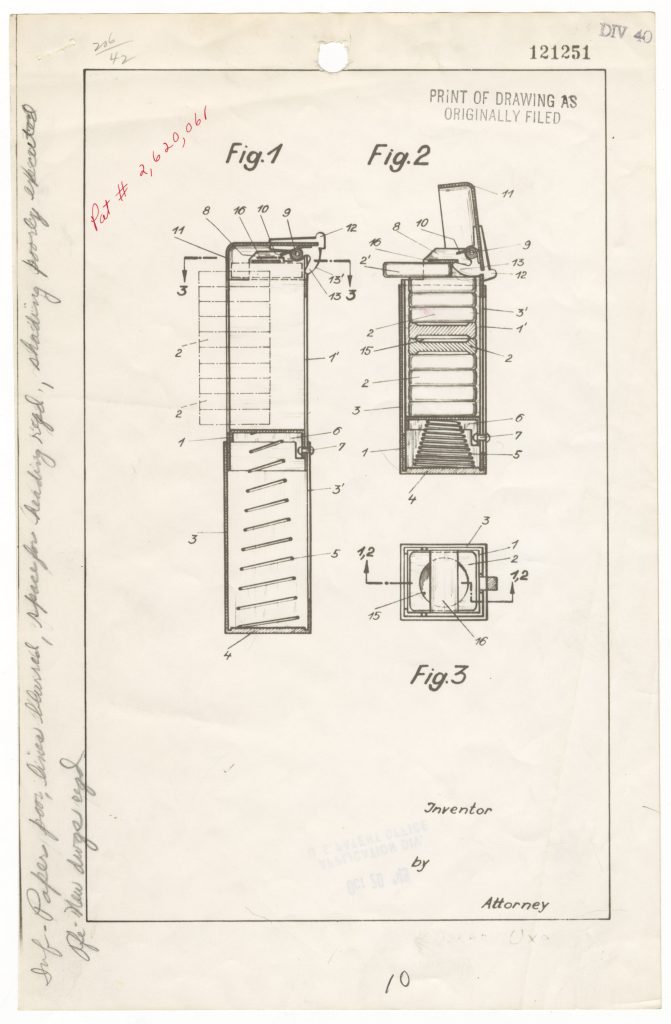
Pocket Article Dispensing Container NAID: 6273950
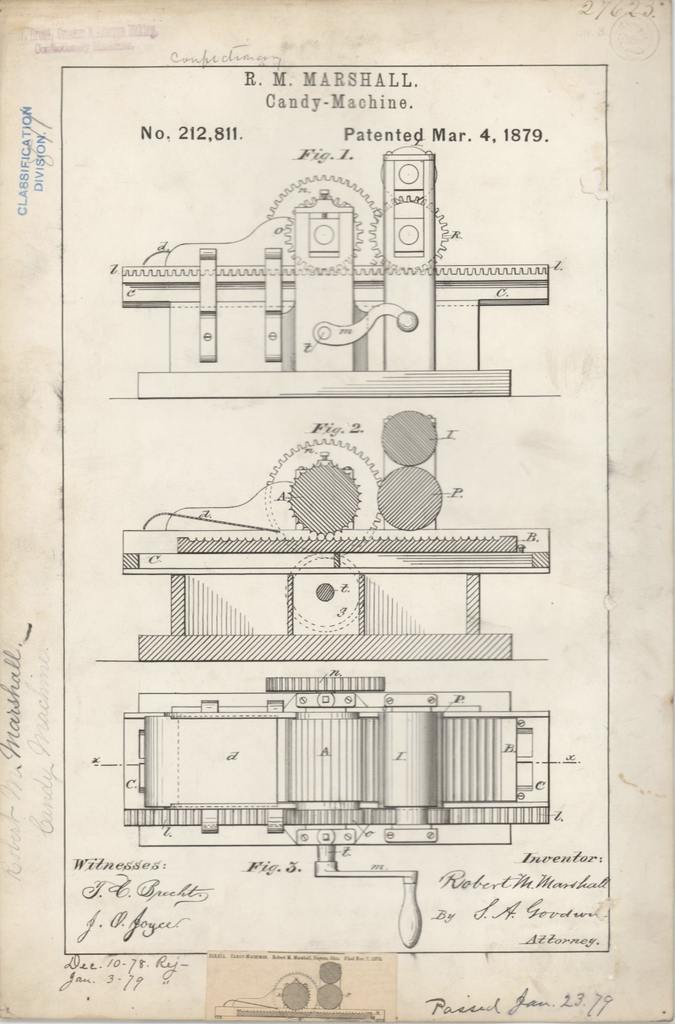
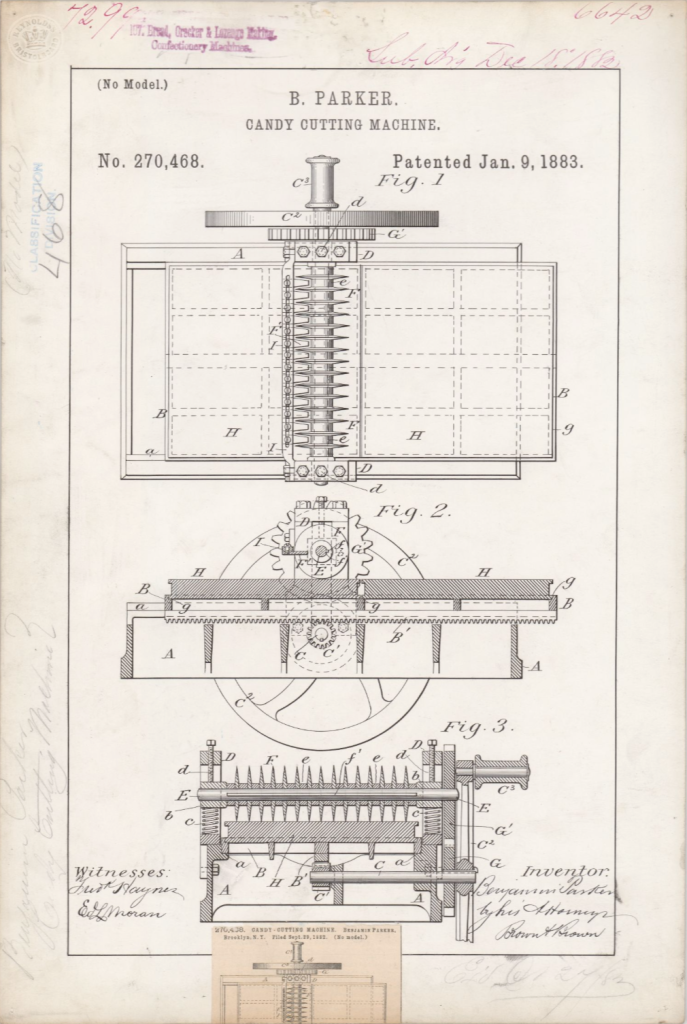
Check out some other fun candy patents:
White House Sugar Rush
Even presidents have candy cravings every now and then. President Ronald Reagan picked up the habit when he quit smoking in the 1960s and kept jars of Jelly Belly jelly beans throughout the White House and on Air Force One, frequently gifting them to guests. Jelly Belly even created a new blueberry flavor for Reagan so he could serve red, white, and blue jelly beans. This photo shows Reagan eating some jelly beans at a cabinet meeting in 1981.

President Ronald Reagan with Jelly Beans NAID: 75854371
In 2011, President Barack Obama received this gift from French President Nicolas Sarkozy and his wife, Carla Bruni. Designed by French sculptor Laurence Jenkell, the American flag Tootsie Roll statue measures 17 inches high.
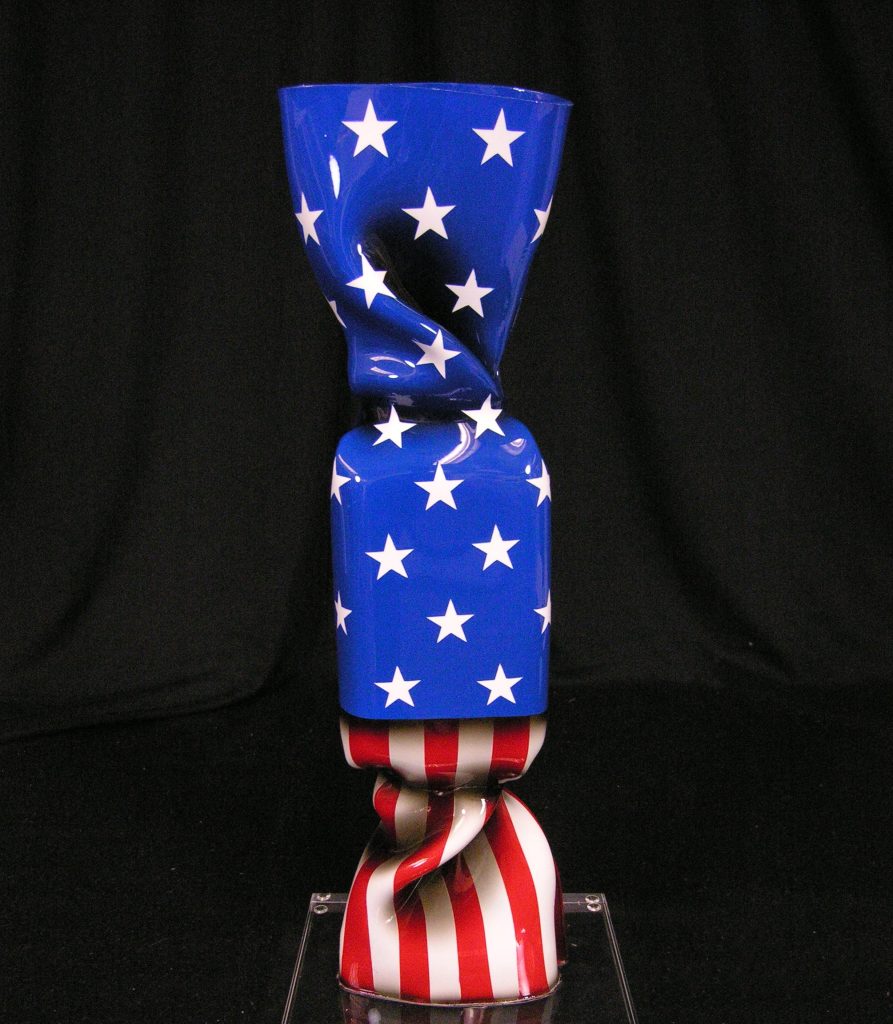
Wrapping Flag Candy USA NAID: 219756224