History in Motion: The Impact of Cinema on Our National Identity
In 1926, the film Don Juan used a new technology called Vitaphone to synchronize images with the musical score and sound effects. Within a year, Hollywood rolled out another breakthrough technology with the release of The Jazz Singer. When the film premiered on October 6, 1927, it made history as the first full-length feature “talkie” with synchronized recorded dialogue. This cinematic landmark transformed Hollywood. It starred Al Jolson, known at the time as "The World's Greatest Entertainer,” as the titular singer, torn between his career and family.
Due to the new technology used in the film, the rollout was limited, and the critical reception to the film was mixed. But once audiences heard actors speak and sing on screen, there was no going back. The era of silent film was giving way to a new era of motion pictures—one filled with dialogue, music, and sound. And while The Jazz Singer is not part of the National Archive’s holdings, this medium provided the government with a new way of speaking to its citizens.
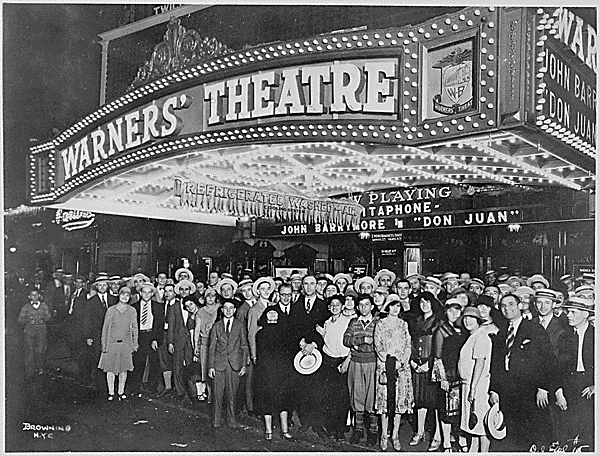
First-nighters posing for the camera outside the Warners' Theater before the premier of "Don Juan" with John Barrymore. NAID: 535750
Yet, like so much of our history, the story of film is complicated. The same movie that represented a groundbreaking technological achievement also reflected the racial attitudes and cultural practices of the time. Jolson performs in blackface, a theatrical tradition that caricatured Black Americans. We now recognize the film’s lasting impact on the motion picture industry while acknowledging the harmful stereotypes embedded within it.
As important as every innovation in film has been to the business of entertainment, our government has also embraced the use of motion pictures to capture important historical moments and political events. The transition from the silent flickering images of Presidents to immersive wartime newsreels and public service announcements meant the movie theater became a place to witness history in motion…and sound.
Silence Is Golden
Even before the advent of sound in film, the government knew the medium was not only entertainment, but also a powerful new public relations tool. Millions of people could now feel more connected to the very people and events that impacted their lives.
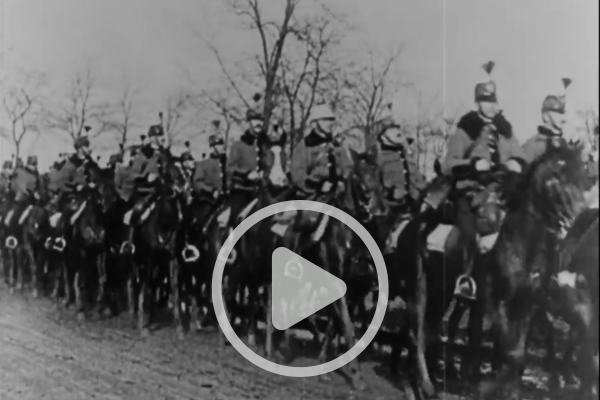
The Sounds of War
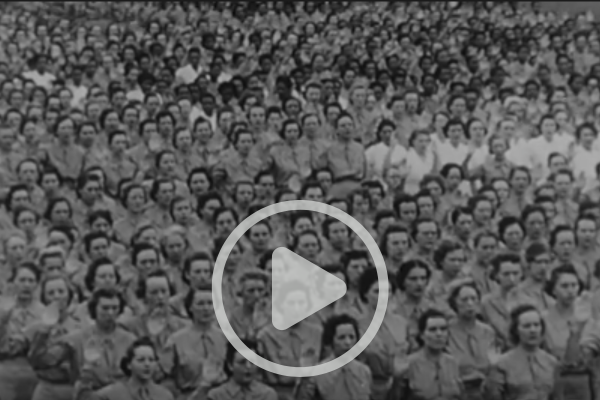
During wartime, audiences were regularly transported to the front lines through military newsreels. Sound made the conflicts seem even more real. Before the lights dimmed for the main feature, these gripping dispatches provided citizens with firsthand accounts of American troops. Learn more about United Newsreels.
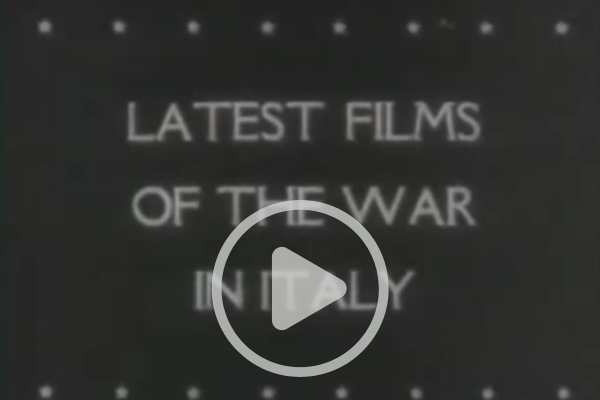
During World War II, a unique partnership between the War Activities Committee in Washington and individual studio initiatives in Hollywood boosted troop morale by shooting patriotic films and shipping thousands of new movies directly to overseas military bases, offering soldiers a much needed slice of home.
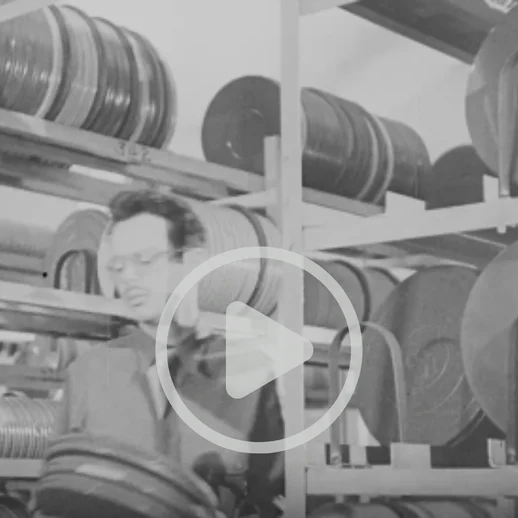

Public Addresses
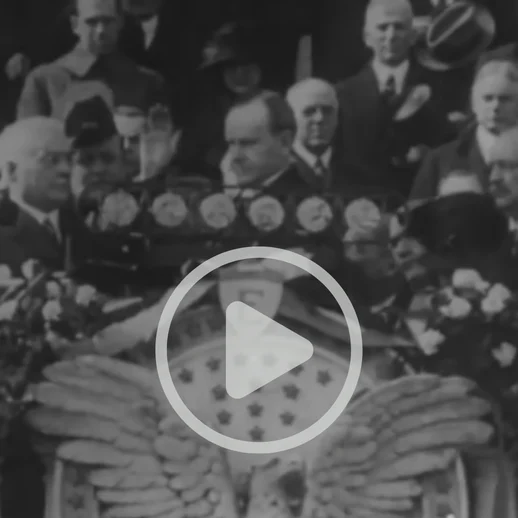
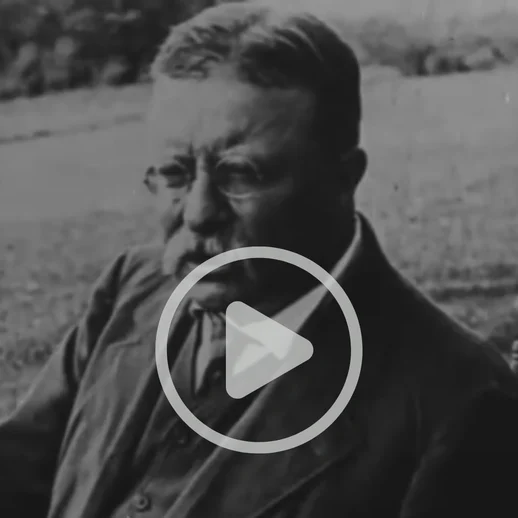
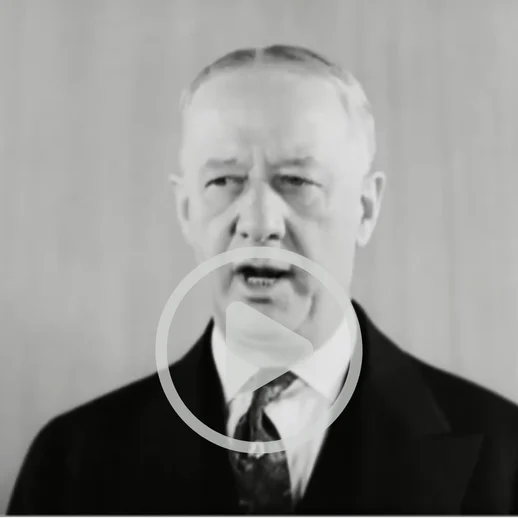
In the era before TVs, the cinema offered Americans their only opportunity to truly see and hear their elected representatives. These cinematic broadcasts allowed citizens to hear directly from their political leaders.
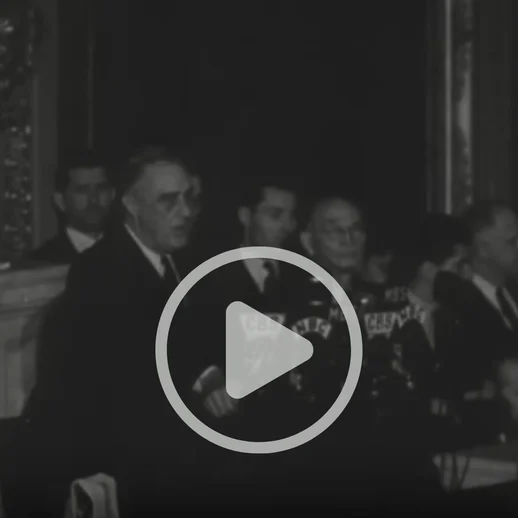
Public Service Announcements (PSAs)
Shown before the main film started, government-produced public service announcements blended entertainment with civic education. These early PSAs leveraged the draw of the movie theater to inform citizens about government projects and initiatives.