A Revolutionary City, a City-Wide Revolution: New York City & Independence
Something quite revolutionary took place just the other week: the New York Knicks clinched their first NBA Championship since 1973. As America’s largest city and a global hub of arts and culture, New York has long been a symbol of American enterprise and ingenuity. But before the lights of Time Square lit up or the stages of Broadway opened their doors, New York was home to a flurry of economic and military activity during the Revolutionary War and the Early Republic. As we approach our 250th July 4, let’s take a look back at some of the records within the National Archives that showcase the Big Apple’s prominent role in the struggle for independence.
The Battle of Long Island (1776)
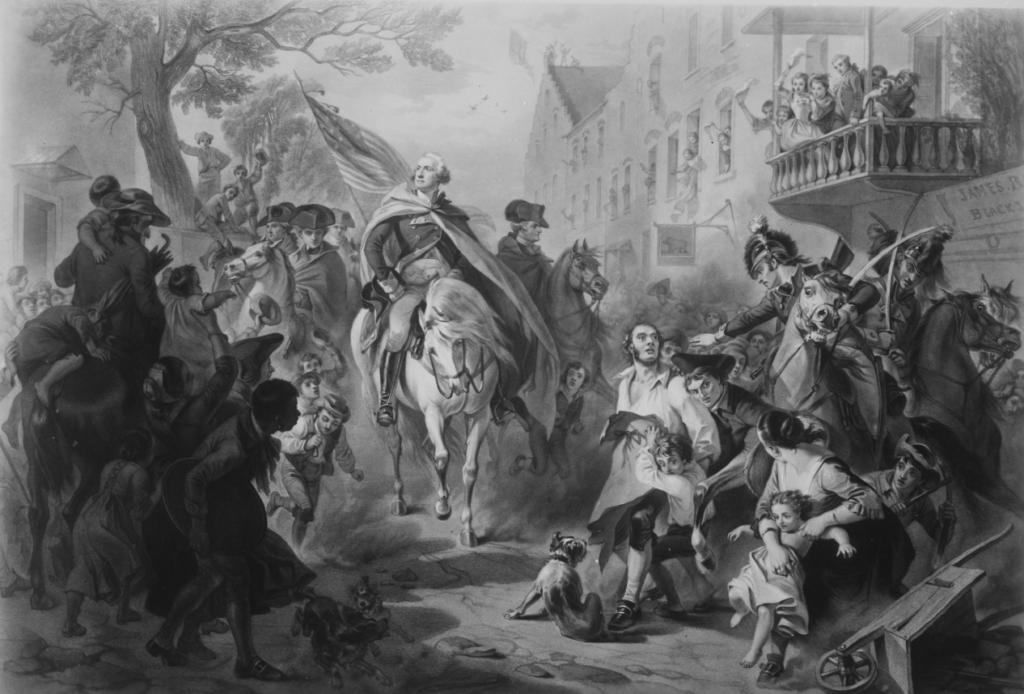
The summer of 1776 brought the war directly to New York's doorstep. Just weeks after the Declaration of Independence was signed in Philadelphia, British forces landed on Long Island and dealt Washington's army a devastating early defeat. The Revolutionary War Rolls, 1775–1783 (M246, Record Group 93) document the New York soldiers who fought, and in many cases died, defending their home soil. Washington's nighttime retreat across the East River kept the Continental Army alive to fight another day.

An Occupied City
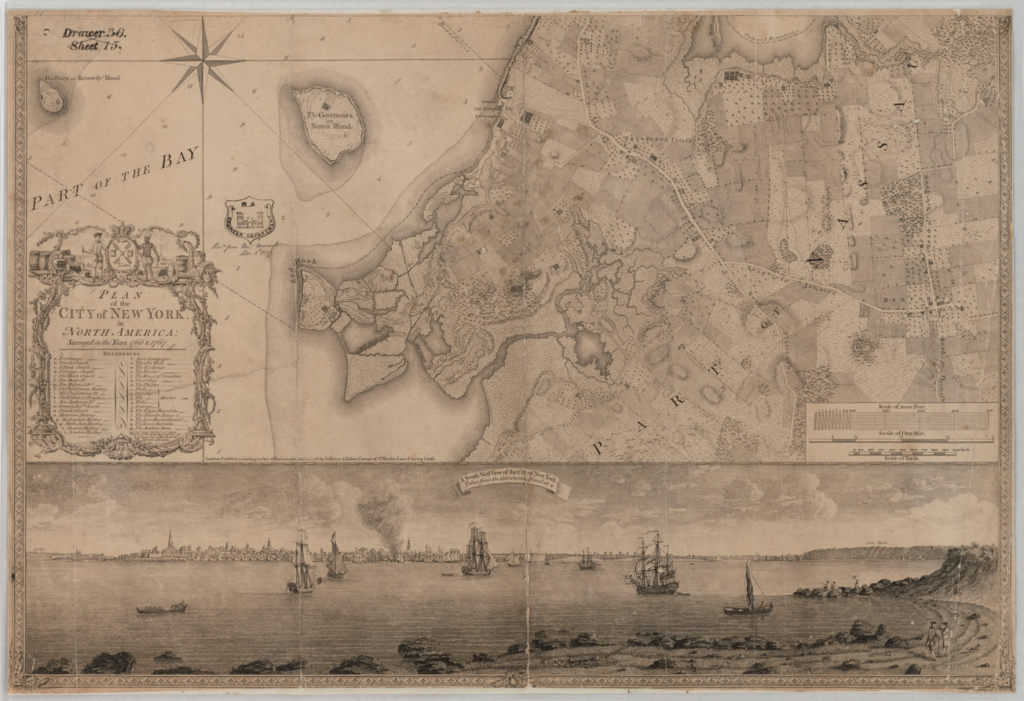
Britain seized New York City in September 1776 and held it for seven years, which was the longest occupation of any American city during the War. While the city became a refuge for Loyalists, thousands of New York patriots continued to serve in the Continental Army. Their stories are preserved by the National Archives in a group called the Compiled Service Records of Soldiers Who Served in the American Army During the Revolutionary War (M881, Record Group 93), a testament to those who fought on even as their city was under British control.
Hamilton and the Early Republic
When the war ended, New York City became the young nation's first capital, and no figure shaped its early financial identity more than Alexander Hamilton. As the first Secretary of the Treasury, Hamilton built the architecture of American economic life from New York. His correspondence and related Treasury Department records, accessible through Founders Online, offer an intimate look at the debates and decisions that turned a fragile confederation into a functioning republic.

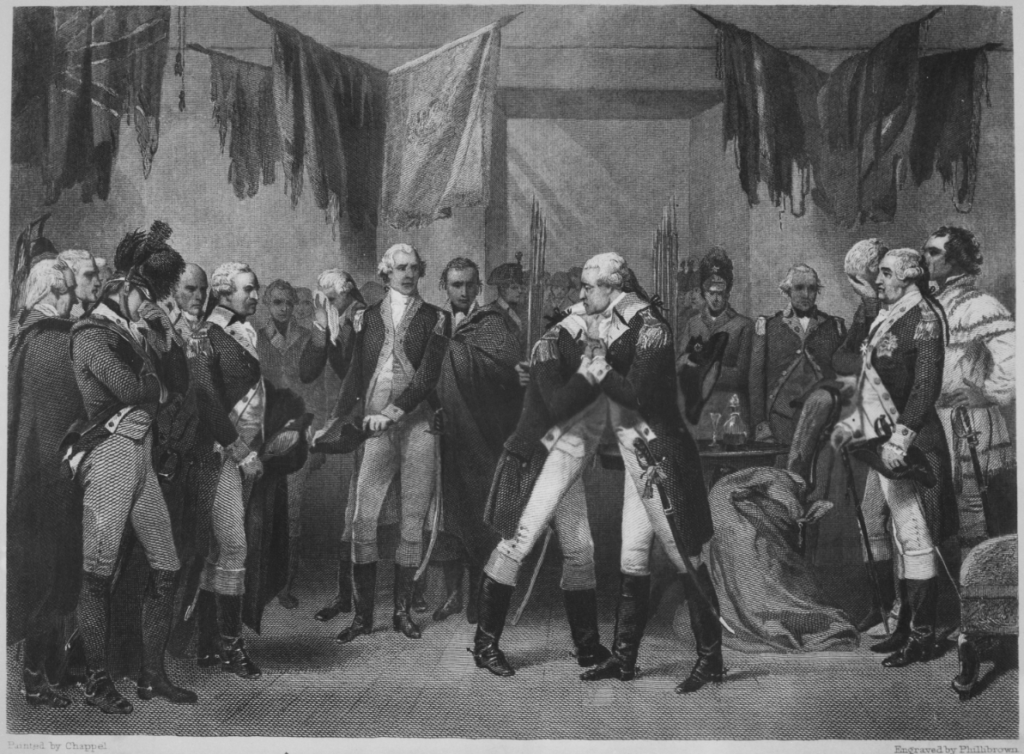
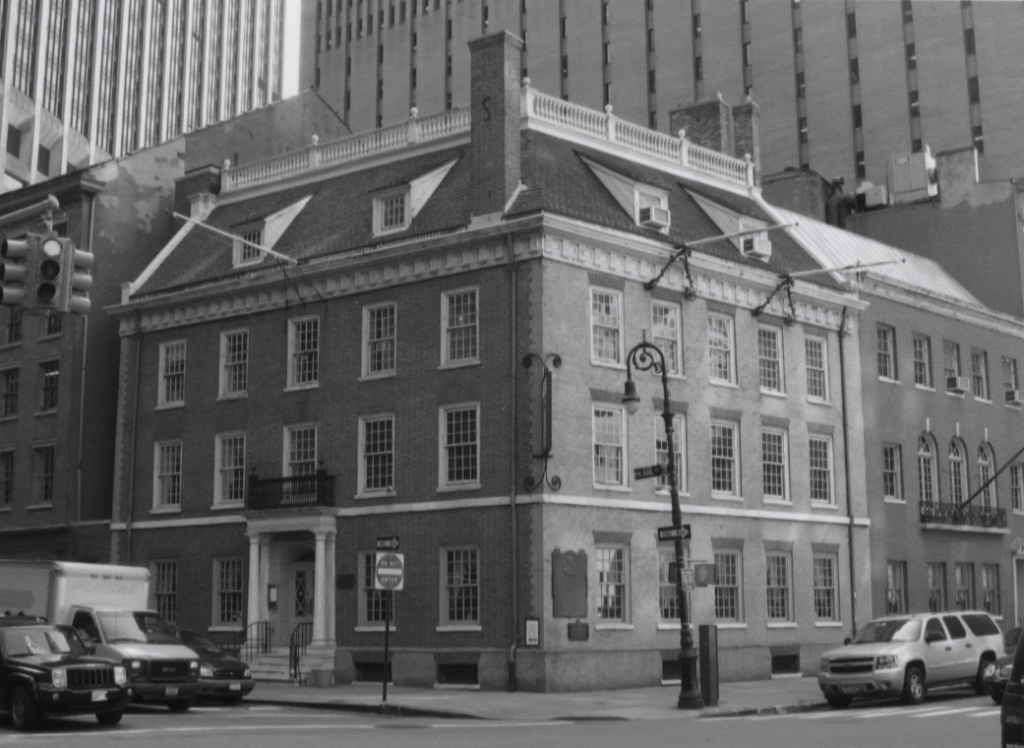
One of the most tangible connections to New York as an early capital still stands today: Fraunces Tavern in the Financial District, where Washington bid farewell to his officers in December 1783. The tavern's historic landmark application—viewable in the online catalog—offers a rich look at the building's layered history as a gathering place for founding fathers and Sons of Liberty.
What’s in a Name?
Have you ever wondered where the name Knicks, short for "Knickerbocker," comes from? The term traces back to Washington Irving's 1809 satirical history of New York, published under his alias “Diedrich Knickerbocker.” The fictional “Knickerbocker” was a Dutch historian, and the name quickly became shorthand for the old Dutch families who originally settled in New York, first known as “New Amsterdam.” By the 19th century, "Knickerbocker" had become a proud symbol of New York identity, and it only seemed natural that the basketball team shared the name when it was established in 1946.