President Franklin D. Roosevelt’s “Day of Infamy” Speech

At 7:55 a.m. on December 7, 1941, Japanese bombers and torpedo planes attacked the U.S. Pacific fleet anchored at Pearl Harbor, catapulting the United States into World War II. In less than 2 hours, the fleet was devastated, and more than 3,500 Americans were either killed or wounded.

Just hours after learning of the attack, President Franklin D. Roosevelt dictated this speech to his assistant “without hesitation, interruption or second thoughts,” as she later recalled. The next day, before a joint session of Congress, the President asked for a declaration of war against Japan, pronouncing December 7, 1941 to be “a date which will live in infamy.” Congress responded by immediately declaring war, and the United States entered World War II.

This short, seven-minute speech “represents the tipping point, the actual moment when the United States was transformed from an isolationist nation to a global superpower and leader of the free world,” according to Roosevelt Library Directory Paul Sparrow. In recognition of the 75th anniversary of the attack, the U.S. Senate’s copy of President Roosevelt’s speech is on display in the “Featured Documents” exhibit in the East Rotunda Gallery of the National Archives in Washington, DC, from November 10, 2016 through January 4, 2017.

President Franklin D. Roosevelt’s Day of Infamy Speech
National Archives, Records of the U.S. Senate
Click here to download a high-resolution copy of President Franklin D. Roosevelt’s “Day of Infamy” speech from the National Archives’ online catalog.

Past Featured Records

Thanksgiving Proclamation
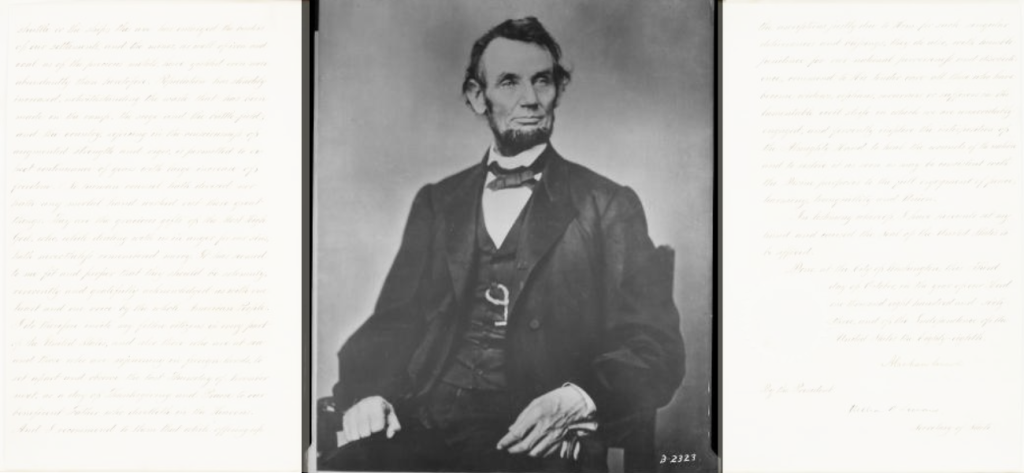
President Abraham Lincoln’s Thanksgiving Day Proclamation
In 1863, President Lincoln declared that Americans should come together for a national day of Thanksgiving on the last Thursday of November. At the time, Americans had many regional holidays for giving thanks. However, writer Sarah Josepha Hale petitioned the government to make it a single, unified national holiday. When Lincoln finally agreed, the country was in the middle of the Civil War and deeply divided.
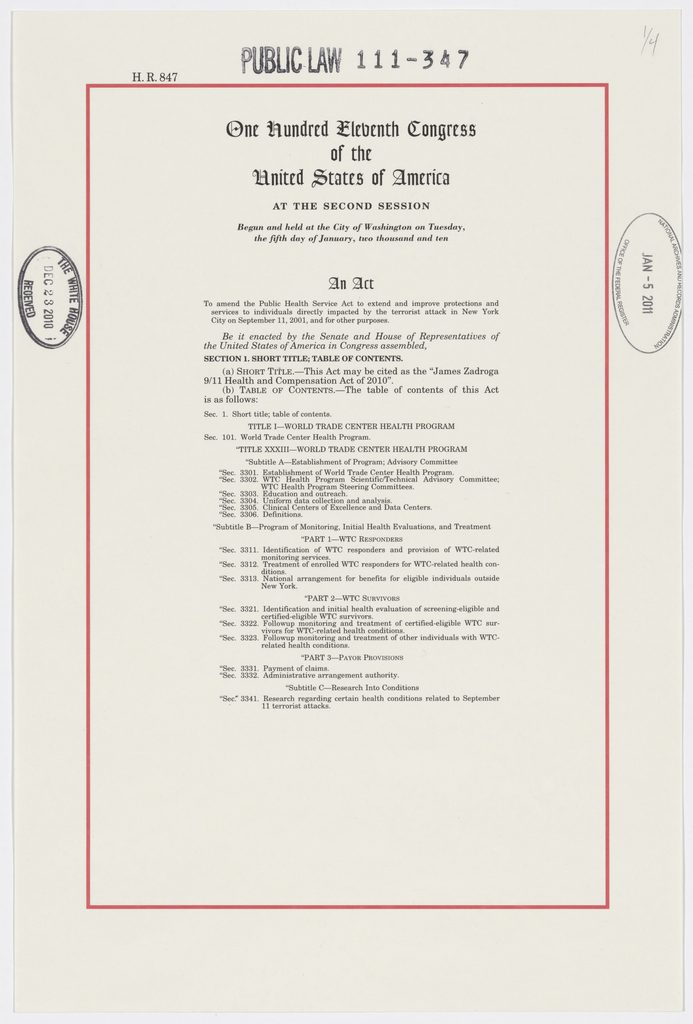
James Zadroga 9/11 Health and Compensation Act
While nearly 3,000 people were killed on 9/11, thousands more died in the years following because of their exposure to toxic dust. In 2011, the James Zadroga 9/11 Health and Compensation Act was passed by Congress to provide healthcare to survivors and those who worked in response and recovery.
Great Seal of the United States
On July 4, 1776, just hours after adopting the Declaration of Independence, the Continental Congress tasked Benjamin Franklin, Thomas Jefferson, and John Adams with creating a national seal. As members of the First Great Seal Committee, each man proposed designs for a national emblem that reflected the independence and aspirations of the new nation. The task proved difficult, and ultimately it took more than three committees and six years to complete the final design for the Great Seal of the United States.
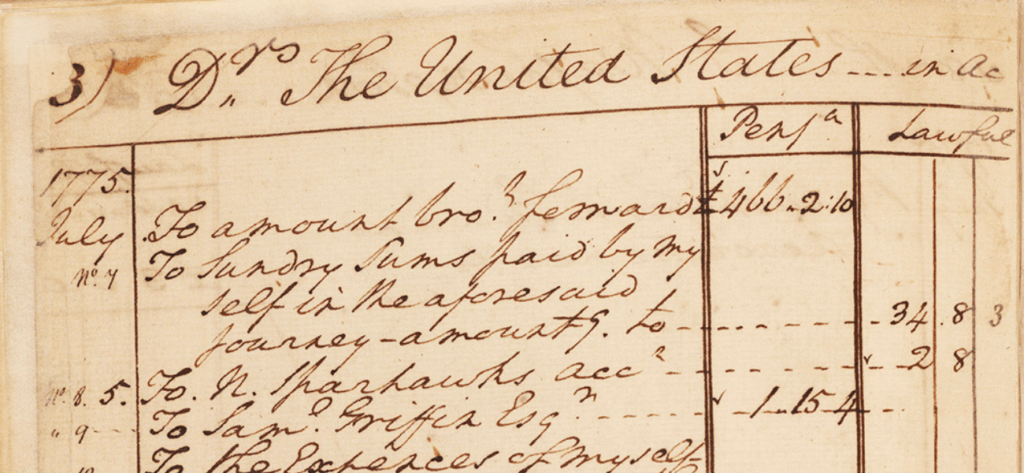
Spymaster-in-Chief: George Washington’s Wartime Espionage
During the Revolutionary War, a large network of colonial spies worked in secret to disrupt British forces. When George Washington took command of the Continental Army in July 1775, he strengthened intelligence efforts by planting false information and writing coded letters to gain an edge over the larger and more experienced British Army. Washington’s account book of wartime spending reveals information about these secret operations.
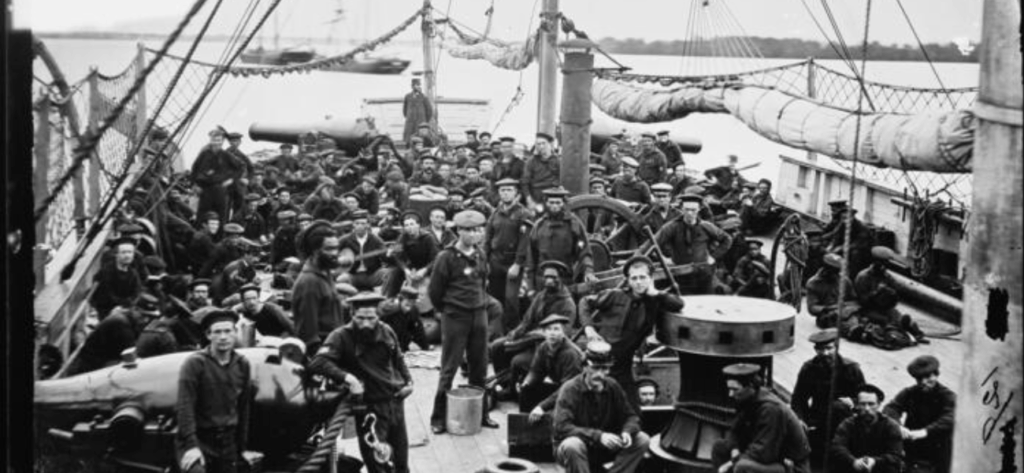
Snapshots of Service: The 250th Anniversary of the U.S. Navy
The U.S. Navy’s long history began on October 13, 1775, when the Continental Congress authorized ships to intercept British transports as war intensified. While the Navy’s early years are preserved in muster rolls, deck logs, and service records, the Civil War saw photography more candidly capture life in the service.