Freedmen’s Bureau Marriage Records

On Display 2/4/2025 – 3/3/2025

The Freedmen’s Bureau helped newly freed people legalize their marriages.

After the Civil War, the federal government established a War Department agency to help Americans transition from slavery to freedom. The Freedmen’s Bureau (1865–72) issued rations, operated hospitals and helped establish schools and unite families. It worked to resolve labor disputes and negotiate labor contracts. It also presided over and documented marriages between freed couples. 

Unions between enslaved couples were not legally sanctioned or protected. Couples could be separated by sale to other plantations. After 1865, new state laws recognized marriages of enslaved couples. With the help of Army chaplains and civil clergy, the Freedmen’s Bureau led the drive to legitimize these unions, issuing tens of thousands of marriage certificates. These records are an invaluable source of information for historians, social scientists, and genealogists.
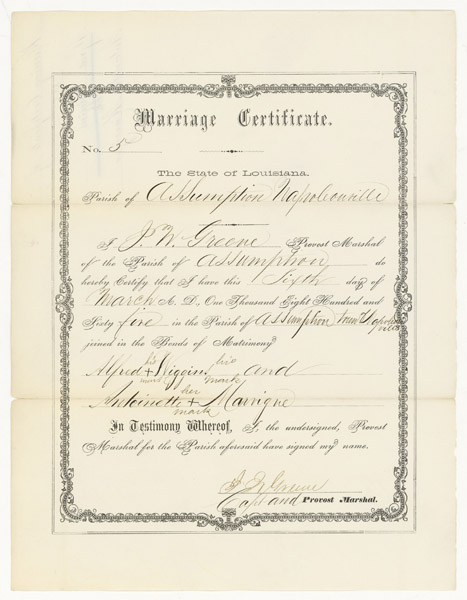
Alfred and Antoinette’s wedding in Napoleonville, Assumption Parish, Louisiana, was among the first to be documented by the Freedmen’s Bureau. This certificate is dated March 6, 1865, just three days after the Bureau was established by an act of Congress.
Marriage Certificate for Alfred Wiggins and Antoinette Marvigne, March 6, 1865. Records of the Bureau of Refugees, Freedmen, and Abandoned Lands

View in the National Archives Catalog
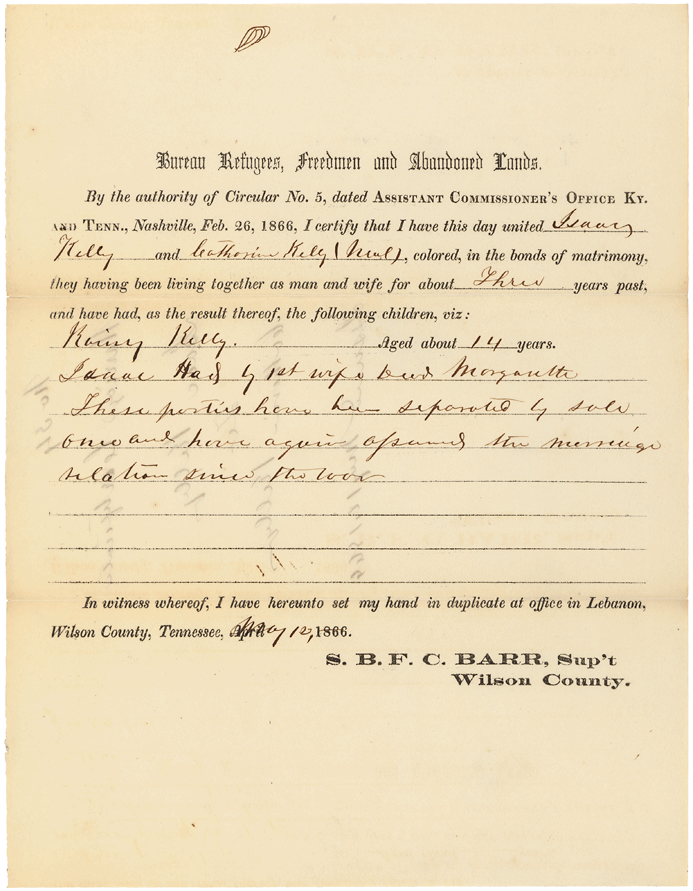
According to this marriage certificate, Isaac and Catherine Kelly lived together as husband and wife for three years but were separated when one of them was sold to a different enslaver. A handwritten note on the preprinted form reads, “These parties have been separated by sale once and have again assumed the marriage relation since the war.”
Certificate of Matrimony for Isaac and Catherine Kelly of Nashville, Tennessee, May 12, 1866. Records of the Bureau of Refugees, Freedmen, and Abandoned Lands

View in the National Archives Catalog
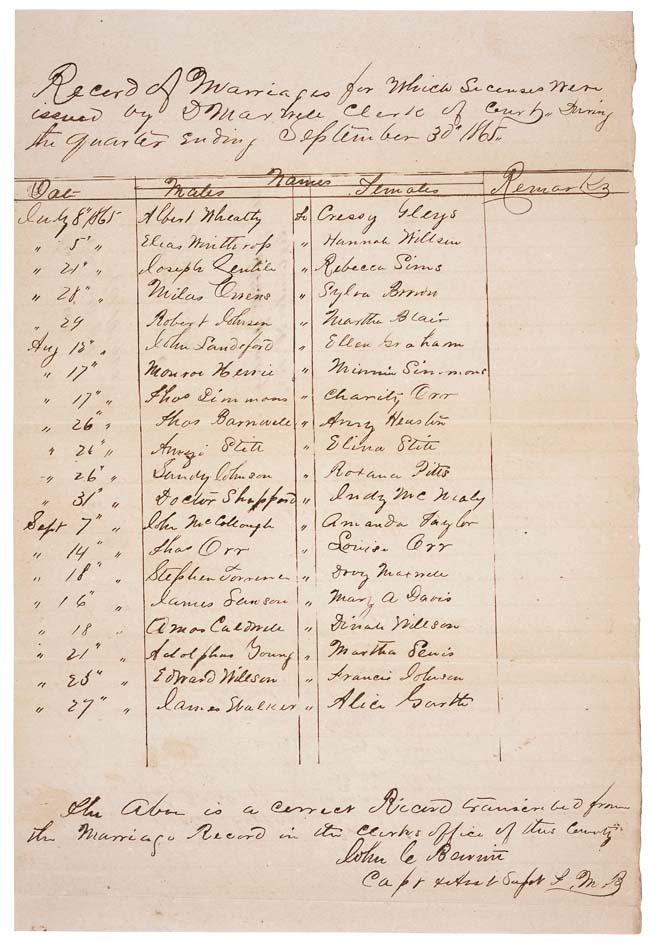
This record documents freedpeople’s marriages in North Carolina for the quarter ending on September 30, 1865.
Register of Marriages, September 30, 1865. Records of the Bureau of Refugees, Freedmen, and Abandoned Lands

View in the National Archives Catalog

Additional Online Resources:

Past Featured Records

Spymaster-in-Chief: George Washington’s Wartime Espionage
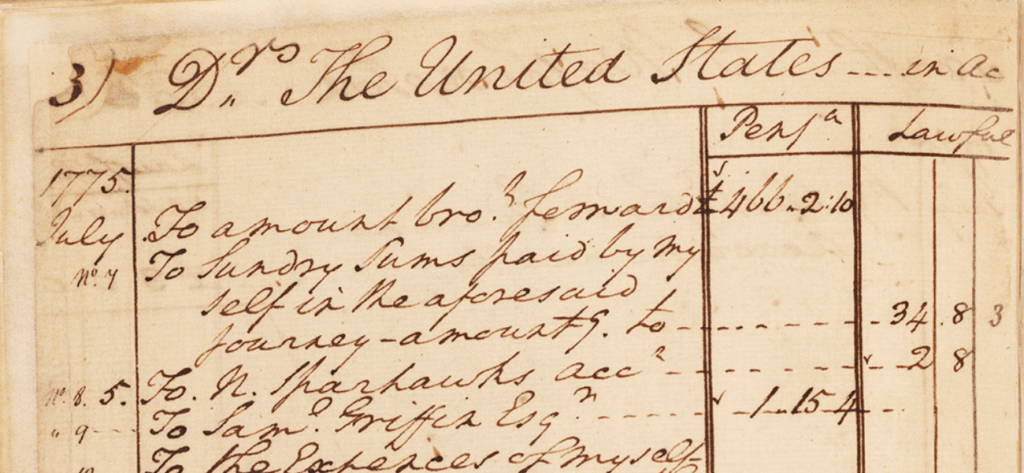
During the Revolutionary War, a large network of colonial spies worked in secret to disrupt British forces. When George Washington took command of the Continental Army in July 1775, he strengthened intelligence efforts by planting false information and writing coded letters to gain an edge over the larger and more experienced British Army. Washington’s account book of wartime spending reveals information about these secret operations.
Snapshots of Service: The 250th Anniversary of the U.S. Navy
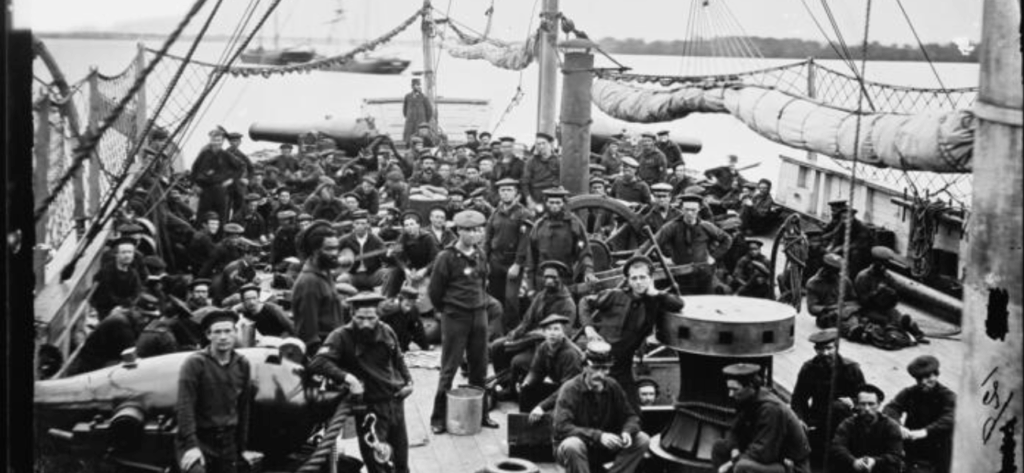
The U.S. Navy’s long history began on October 13, 1775, when the Continental Congress authorized ships to intercept British transports as war intensified. While the Navy’s early years are preserved in muster rolls, deck logs, and service records, the Civil War saw photography more candidly capture life in the service.
Constitution Day: The Full U.S. Constitution
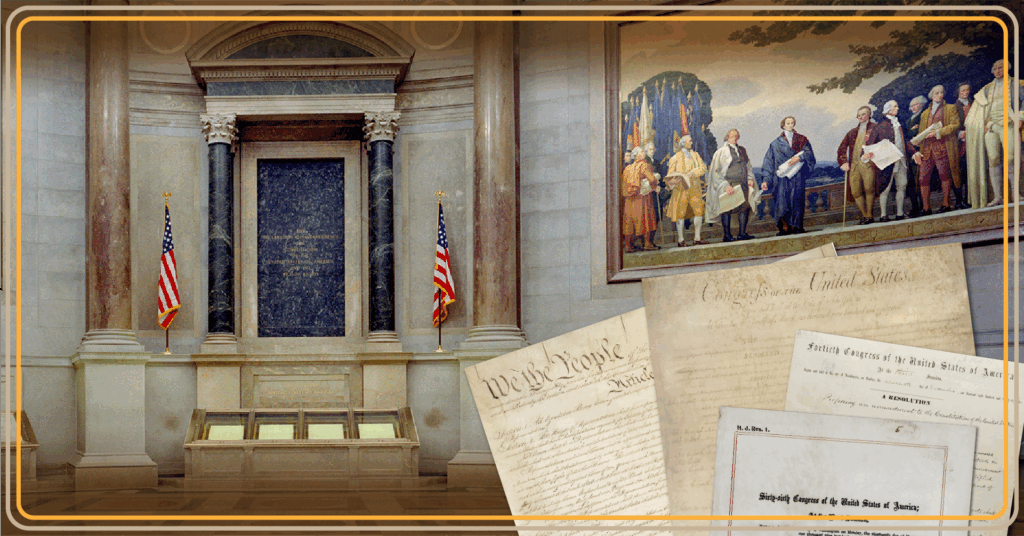
Now Extended! On display 9/16/25 – 10/9/25 For the first time in history, the entire United States Constitution is on display, celebrating 250 years of American Freedom. In celebration of 250 years of American Freedom, the entire U.S. Constitution and the original Bill of Rights is surrounded by 17 Constitutional amendments, filling the Rotunda at the National Archives in ...
80 Years Since the End of World War II
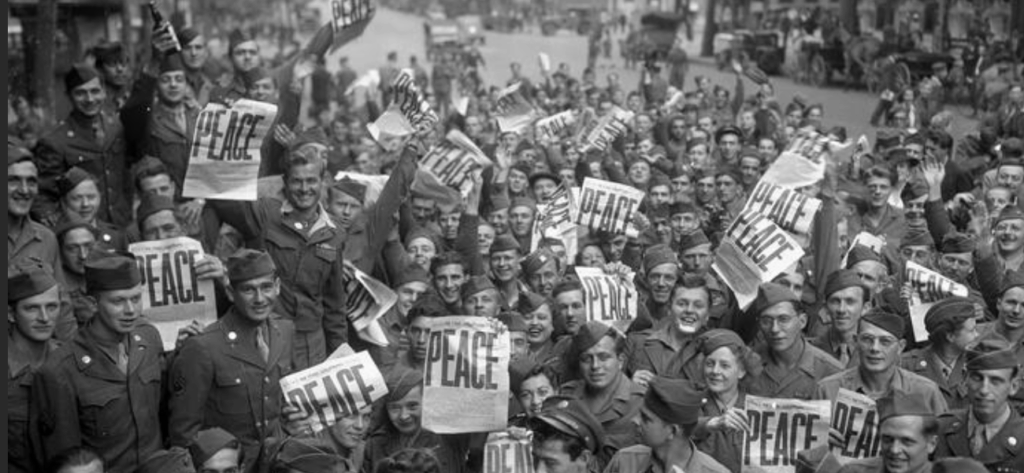
World War II, the deadliest military conflict in history, ended six years and one day after the war erupted in Europe. On September 2, 1945, just four months after Nazi Germany’s surrender, Japanese officials issued an imperial order and signed a formal surrender ending hostilities in the Pacific Theater.
To the Polls: 60 Years of the Voting Rights Act
In the 1960s, voting rights were at the forefront of many Americans’ minds. Nearly 100 years had passed since the 15th Amendment outlawed voting restrictions “on account of race, color, or previous condition of servitude.” But threats of violence, literacy tests, and extra fees still prevented many Black voters from exercising their constitutional right at the polls.